





Zone of possible agreement
A zone of possible agreement (ZOPA), also known as a bargaining range, is a term used to describe a ‘zone’ within negotiations where there is the potential for two parties to agree. No amount of negotiation relating to terms outside the ‘zone’ will lead to an agreement.
Successful negotiation depends upon establishing a ZOPA that is understood by both parties. This requires the two parties to discuss and explain their own interests and values, as well as their ‘bottom line’ – the boundaries of their zone, outside of which they cannot agree. Ideally, this should be done early in the negotiation process.
An example is if a contractor wishes to negotiate a fee for works with a client. They will not accept less than X amount, and the client is unable or unwilling to pay above Y amount. If those two amounts overlap then that is the ZOPA.
[edit] Related articles on Designing Buildings Wiki
Featured articles
Check out some of the best features and news from Designing Buildings as well as key stories from around the web.
Building Regulations and Building Safety Act
CIOB publishes free advice for non-domestic clients.
Building Safety Newsletter from MHCLG.
An extraordinary record of steel engineering worldwide.
Households living near new pylons to save on bills.

ECA warns growth must not outpace grid capacity or skills.
The role of the client and decision making

CIOB response to built environment professions call for evidence.
Construction's sustainability reporting revolution
Tracking upfront embodied carbon with digital tools.
ECA welcomes procurement reforms
Public spending must back British jobs and skills.
Campaigning for Edinburgh: the Cockburn Association 1875-2049
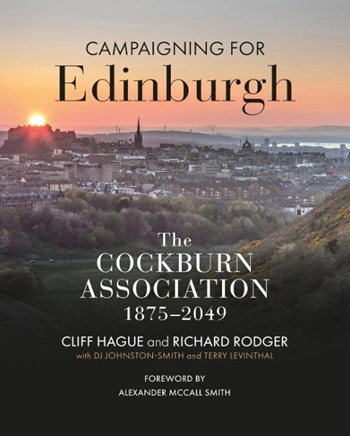
The role of the civic voice in protecting character. Book review.
CIOB photography competition is open for entries.
ECA Edmundson apprentice of the year award
Finalists announced.
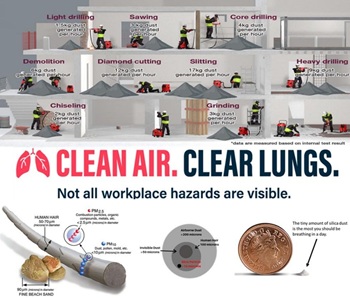
Major new study exposes serious knowledge gaps.